
Eight infusions gave me kombu, white pepper, sweet potato, red bean and one flower I was professionally unqualified to identify. The useful note was simpler: comforting.
I spent eight infusions trying to describe this tea and the best word turned out not to be a flavour.
Annoying, honestly.
I had a whole list by then: sweet chilli, kombu, white pepper, sweet potato, red bean, flowers. Not a specific flower. I do not know flowers like that. At one point I was about three adjectives away from simply inventing a garden.
The useful word was comforting.
It took me most of the session to get there.
Before the copywriting department arrived
This was my first yellow tea. I deliberately skipped the tasting notes beforehand. Once somebody tells you to look for orchid, suddenly the room is full of orchids. I wanted to meet the tea before the copywriting department arrived.
The sample was labelled Sichuan Yellow Tea. That is what I am calling it. It may have a longer and more impressive biography, but I did not have enough evidence to start writing one. No mountain mythology. No mysterious old tree. Not yet.
I put 5 grams into a 100 ml gaiwan and began around 85°C.
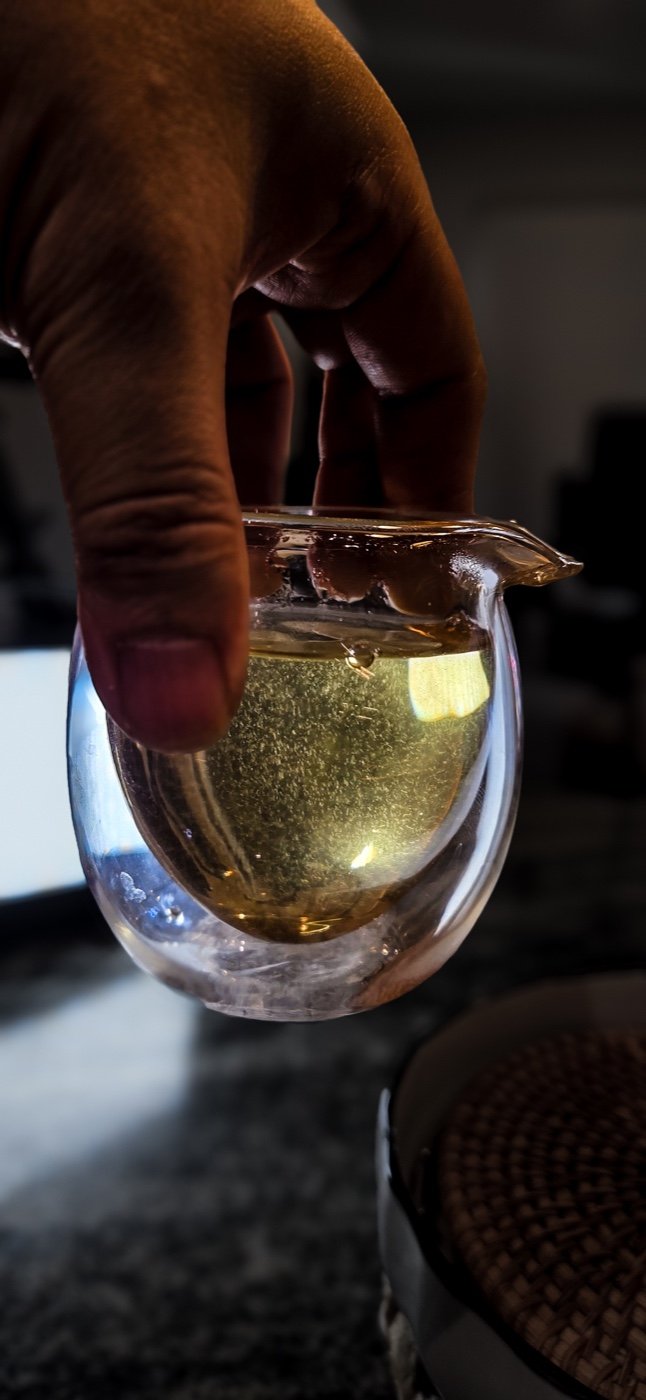
The dry leaf smelled sweet, slightly minty and weirdly chilli-like. Sweet chilli, not violence. Once wet, it went savoury: kombu-like umami, white pepper and a golden liquor with tiny particles floating through it.
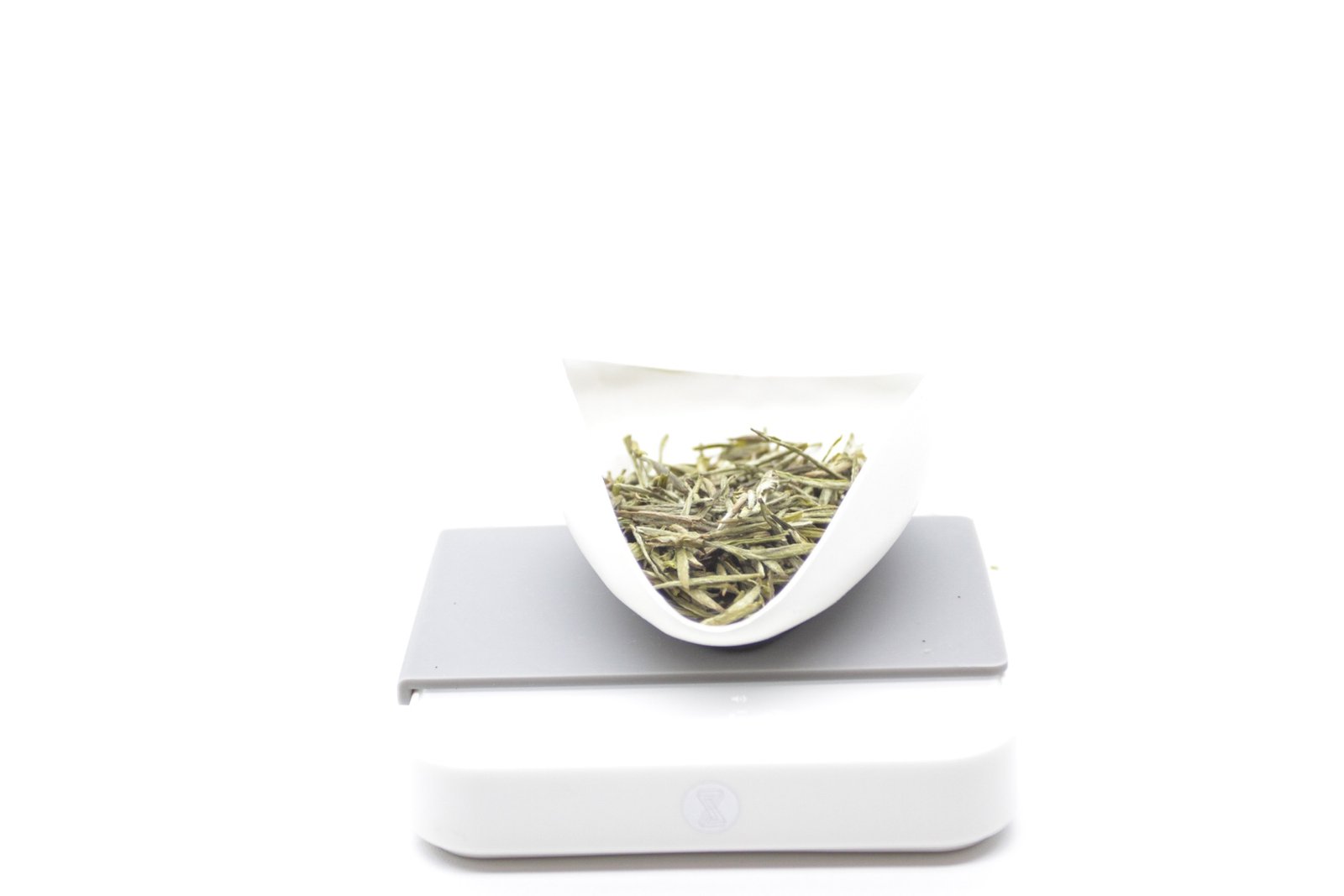
I had expected something closer to green or white tea. In practical terms, that meant I was bracing for delicacy and perhaps more grassiness. The tea ignored the brief. It had more body than I expected and very little of the obvious green character I had prepared myself for.
The second infusion was better. The umami filled out. The pepper stayed. The body felt rounded and substantial. I loved it.
The night before, I had met a TCM practitioner who was also very serious about tea. At some point she picked up the wet leaves and chewed them with complete seriousness. I had never thought to do that.
So I tried it here.
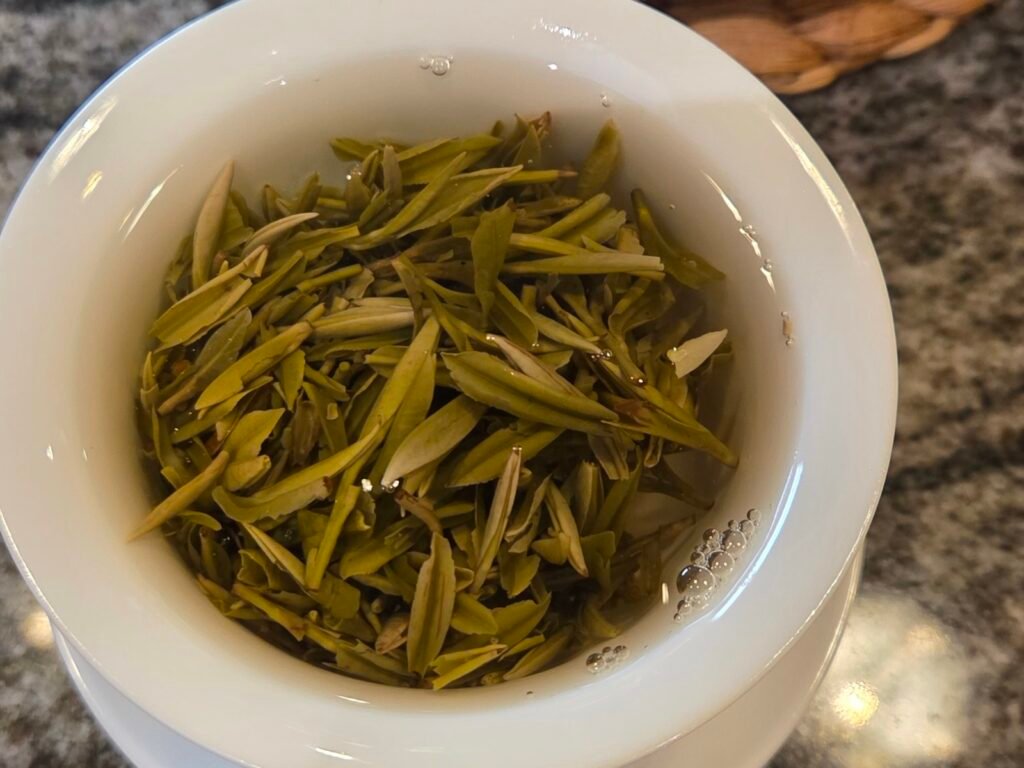
I expected bitterness. There was surprisingly little. I am not declaring wet-leaf chewing a compulsory stage of tea evaluation, but it was more informative than taking another photograph of the gaiwan and pretending I had discovered botany.
This should have been the point where I left the tea alone.
Obviously, I did not.
Then I interfered
I moved from 85°C to 90°C. Not much changed immediately, although a bitter finish became more noticeable as one of the cups cooled.
So I tried 100°C.
I shortened the infusion time, which made the decision feel responsible. It was still 100°C.
The aroma first turned more vegetal. Then, while the cup cooled, the vocabulary shifted again: sweet potato, perhaps red bean—something warm, starchy, slightly sweet and annoyingly familiar without being easy to name.
The body stayed. The clarity left.
The hotter infusion was more bitter, and some of the fragrance seemed to disappear. This was useful, but it was not a controlled experiment. The leaf was already several infusions in. I changed temperature and time together. I was taking notes, making decisions and slowly occupying the entire table with cups.
So the conclusion is not “yellow tea hates boiling water.” That would be an impressive amount of authority to extract from one Saturday and one packet.
The narrower conclusion: in this session, pushing the heat gave me more extraction but did not make the tea easier to understand.
I backed down the temperature and gave it more time instead.
Oh, wait
At first, I thought I had lost the fragrance.
Then: oh, wait.
Floral.
Which flower? Absolutely no idea.
I knew the finish had become flower-like. I could not tell you the species, colour or respectable perfume comparison. The more specific I tried to sound, the more likely I was to start lying by accident.
So I stopped at floral. Unidentified. Definitely there.
By the sixth infusion, the bitterness had receded and the peppery umami felt more present again. The tea had moved from its early savoury shape through the hotter cup’s sweet-potato roundness and into something softer without losing its body.
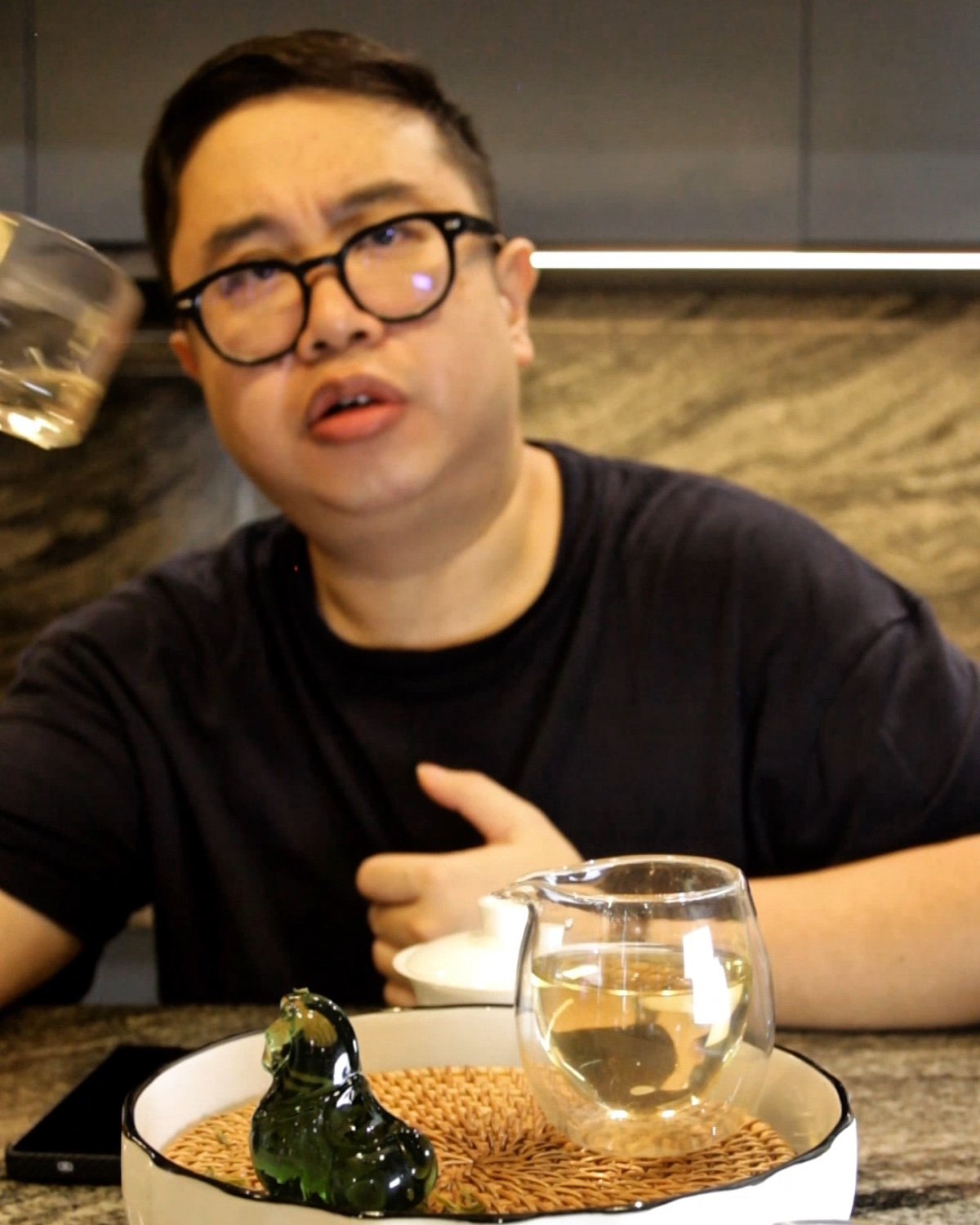
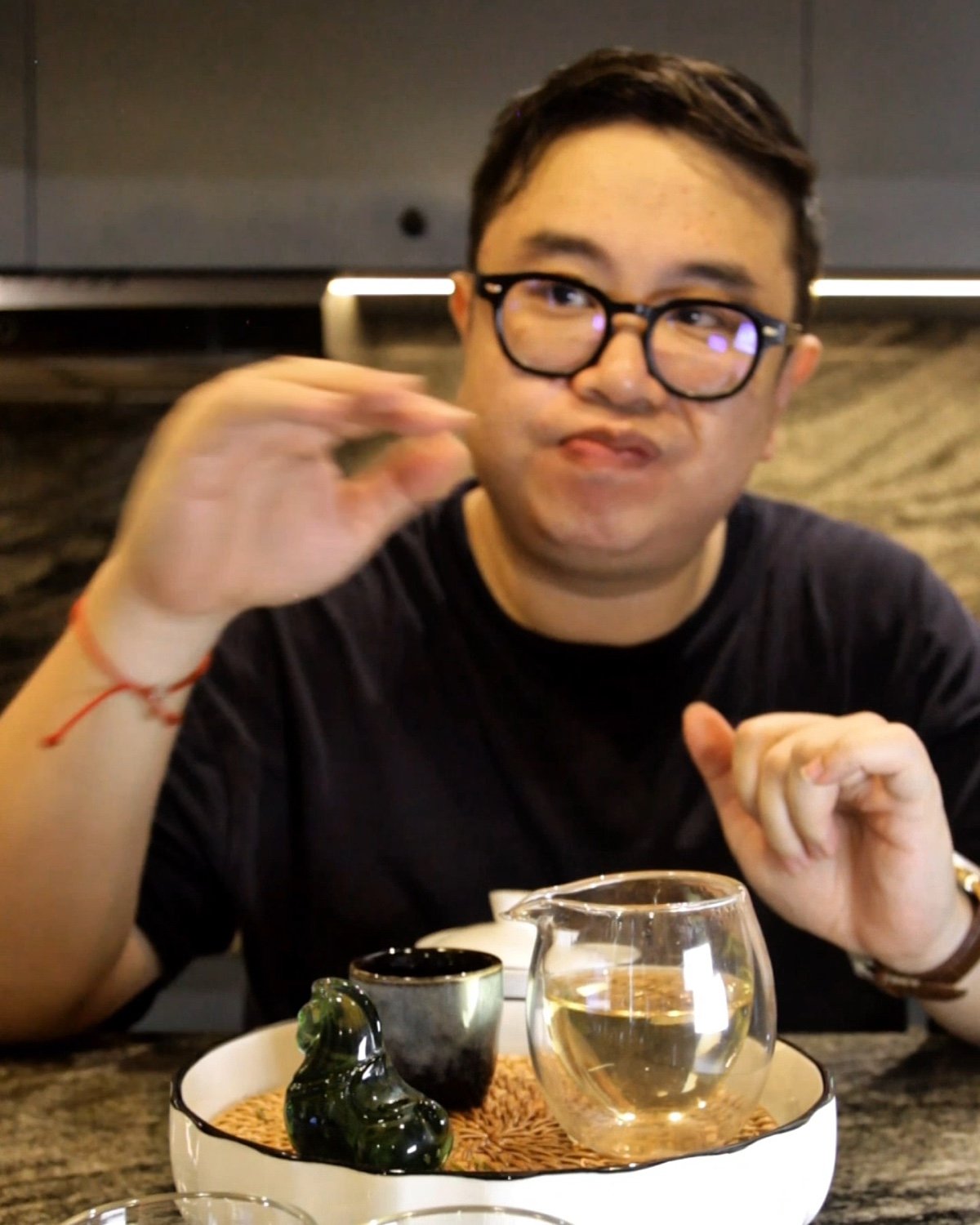
This was also the point when the tasting became a storage problem.
I had been keeping earlier cups so I could return to them. That is a useful idea until you discover that eight infusions require approximately eight cups. I began recruiting any suitable vessel within reach. Somewhere between sensory analysis and crockery shortage, the preserved cups proved their worth.
Tasted side by side, the progression became clearer. The early cups held the kombu and white pepper most strongly. The middle cups became sweeter and rounder. The fourth sat between those two shapes. Later, the tea softened.
Early cups
Kombu-like umami, white pepper and a rounded, substantial body.
Hotter middle
More bitterness, less clarity, then sweet potato and perhaps red bean.
Later cups
The pepper returned, the tea softened, and an unidentified floral finish appeared.
One session, not a category definition. Temperature, time and infusion number did not remain isolated variables.
When I returned to the second cup, the association became less elegant and much more specific: Song Fa Bak Kut Teh. The tea did not literally taste like soup. But the savoury depth and white-pepper warmth hit the same part of my memory, and suddenly I wanted lunch.
By the seventh and eighth infusions, it was still pleasant. It had simply stopped producing new information. The tea was not dead. The meeting had just run out of agenda.
Fair enough.
Comforting explains why I kept reaching for the next cup.
A useful word, finally
Near the end, I stopped trying to win the vocabulary contest and noticed that I still wanted to drink the tea.
That was the more interesting observation.
This word—comforting—had not appeared from nowhere. The night before, I had been talking with a few other tea people about when we reach for different teas. The conversation wandered into a completely unofficial division: some teas feel bright and uplifting, as if somebody has turned the lights on; others feel warming and enveloping.
It was not a taxonomy. Nobody produced a chart. It was just a useful way to talk about what a tea does to the mood of a room.
This one sat somewhere in the middle. It had brightness without feeling sharp or restless. It had warmth without becoming heavy.
Comforting does not mean boring. It does not mean simple either.
The tea gave me plenty to analyse. I just enjoyed it more once I stopped demanding that every enjoyable thing become a tasting note. Kombu, white pepper, sweet potato and flowers help me remember what appeared. Comforting explains why I kept reaching for the next cup.
This first session did not teach me what yellow tea tastes like. It told me what this sample did, on this table, on 19 September, while I kept changing the method and running out of cups.
It also did not settle what I should change next time. Good. A first session that ends with no remaining questions is usually a sign that the questions were not very ambitious.
For now: eight infusions, too many descriptors, not enough cups and one word worth keeping.
Comforting.
5 g / 100 ml
Leaf and gaiwan.
Eight infusions
Progressively lengthened.
85 → 90 → 100°C
Then back to approximately 82–85°C.
Session card
- Tea: 四川黄芽 / Sichuan Yellow Tea, as labelled
- Date: 19 September 2026
- Status: First Session
- Curation context: One of the samples obtained from China for Leave Blank’s Vol.01 curation; appearance in this log does not indicate selection for the collection
- Editorial note: These are impressions from one tea and one session, not a category description or brewing prescription.