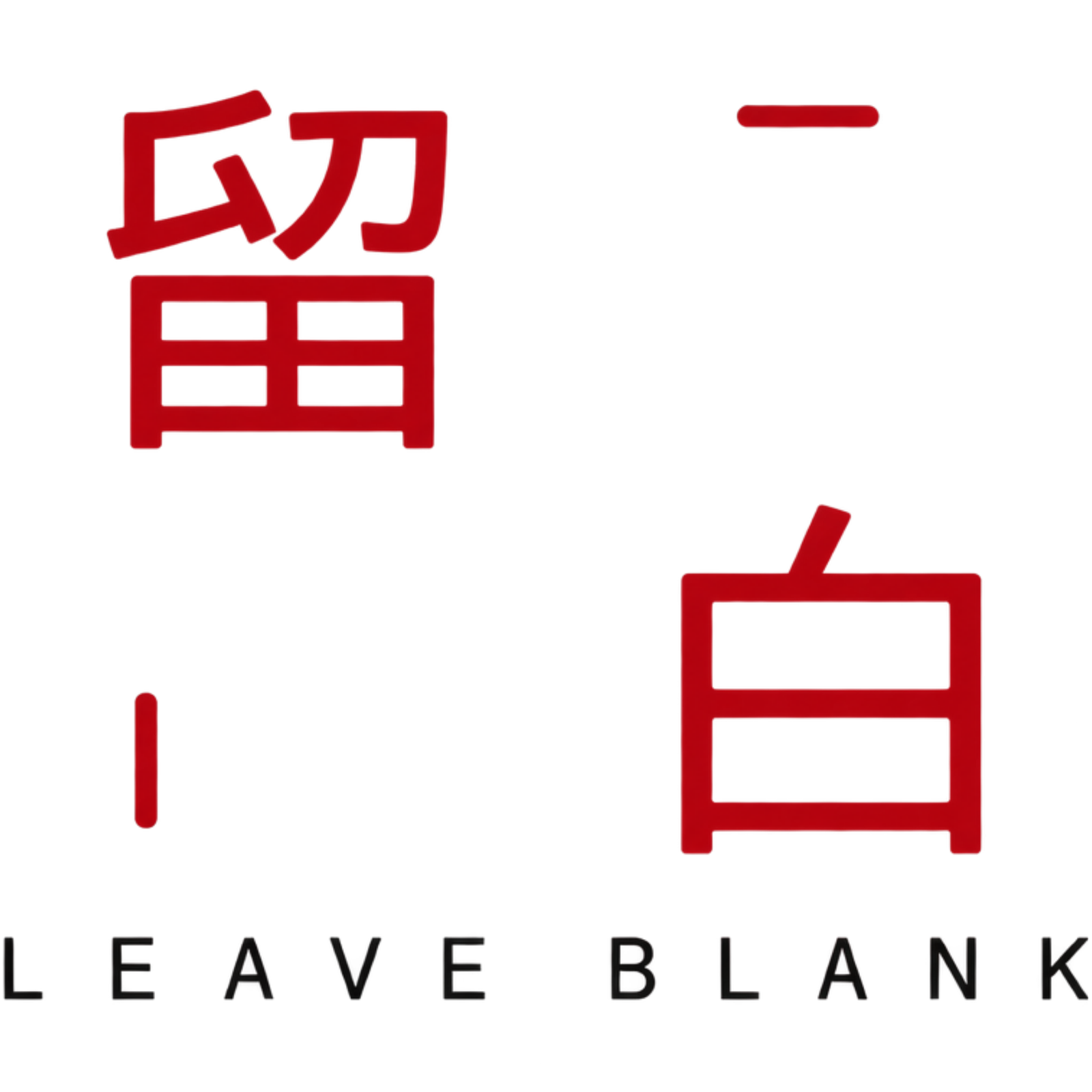
The name Leave Blank comes from 留白: the idea of deliberately leaving part of an artwork empty.
In modern design, we might call it negative space. It is not unused space. It gives shape to everything around it. A margin makes text easier to read. An open area gives an image somewhere to breathe. What is absent creates rhythm, focus, and balance.
We think daily life needs the same thing.
Not every pause needs to be filled
Quiet moments are quickly occupied. We reach for a screen while waiting for water to boil. We add audio to a walk, another tab to the browser, another obligation to the calendar. Rest can begin to feel like an empty field that should be made productive.
Tea offers a different kind of usefulness.
A tea session does not solve the day. It does not need to improve every habit or become evidence that we are living well. It simply creates a small, deliberate interval: boil water, add leaves, pour, wait, taste.
For a few minutes, that can be enough.
A ritual that is structured, but not strict
We chose gongfu brewing because it sits in an interesting middle ground. The sequence is clear enough to hold our attention, but flexible enough to fit an ordinary day.
A gongfu session can be careful without being ceremonial. It can happen on a worktable, beside a record player, or in the corner of a kitchen. The point is not to perform slowness. It is to notice the moment you are already in.
The small movements help: warming the vessel, measuring the leaves, listening to the water, pouring the tea completely. Each action gives the mind somewhere simple to rest.
Leaving space is not doing nothing
Blank space is active. In an artwork it directs the eye. In a room it lets objects feel intentional. In a day it can make attention available again.
This is why we do not see a tea break as time lost. The pause can change the quality of what comes after it. It can make a decision feel clearer, a conversation less hurried, or an afternoon more manageable.
That does not mean every cup must become meditation. Some tea is drunk while answering email. Some sessions are interrupted. Some days the leaves are over-steeped. The value is not in achieving a perfectly calm state.
The value is in making a little room.
A contemporary kind of ritual
Modern life is full of systems designed to remove pauses. Water boils quickly. Messages arrive instantly. Entertainment fills every gap. Convenience is useful, but a life without intervals can begin to feel flat and crowded.
A simple tea practice restores a small amount of texture. It asks for a sequence, a little patience, and a few repeated returns to the cup.
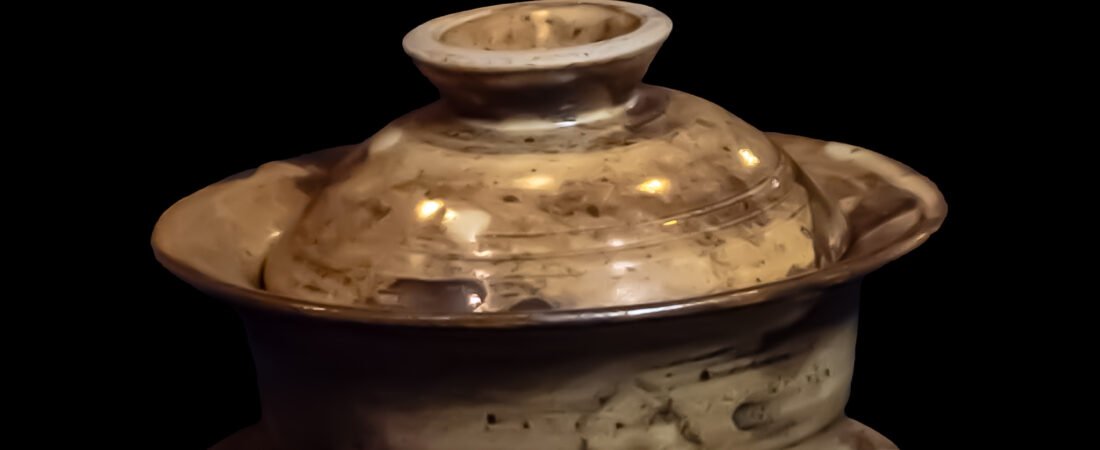
You can use a gaiwan and several tiny cups, or a mug and a strainer. You can brew for ten minutes or stay for an hour. The object is not to imitate someone else’s ideal tea table. It is to create a shape that helps you be present.
Make only as much space as you need
Start small. Put the phone out of reach while the water heats. Brew one infusion without adding anything else. Notice the aroma before drinking. Leave a minute between finishing the cup and moving to the next task.
The pause does not need to become another obligation. It is allowed to remain unfinished, imperfect, and brief.
Leave some space in the day. Let it stay empty long enough to do its work.