For some people, gongfu cha first appears surrounded by old furniture, traditional dress, incense, carefully chosen music, and a long list of rules. Those things can be beautiful, but they are not the only way into the practice.
Our version is simpler.
Modern gongfu cha means using more leaf, less water, and a series of short infusions to pay close attention to a tea. It keeps enough structure to slow us down, but it does not need to become a performance.
Water, tea, a vessel, and a little time are enough.
What makes it gongfu brewing?
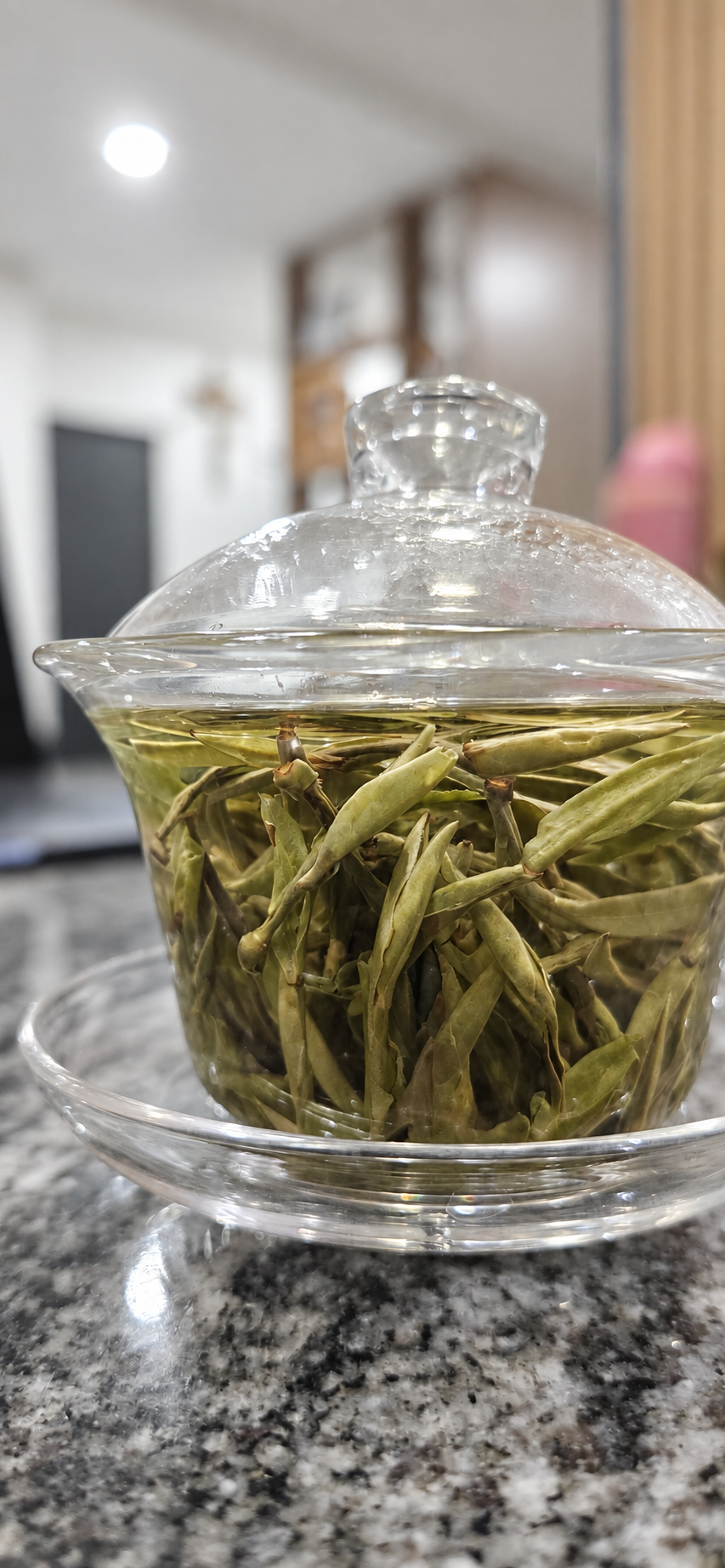
The practical difference is the ratio. A small vessel holds a relatively generous amount of leaf, and the tea is poured out after a short steep. The same leaves are brewed repeatedly.
A useful starting point is 5 g of tea in about 100 ml of water, with a first infusion of around 10 seconds. From there, add five to ten seconds as the session develops.
These numbers are intentionally plain. The temperature and timing should still respond to the tea in front of you. A delicate green tea and a tightly rolled roasted oolong may ask for very different treatment.
The vessel does not need a biography
A gaiwan is useful because it is simple, responsive, and easy to clean. A small teapot works too. So does any compact vessel that gives the leaves enough room and lets you pour cleanly.
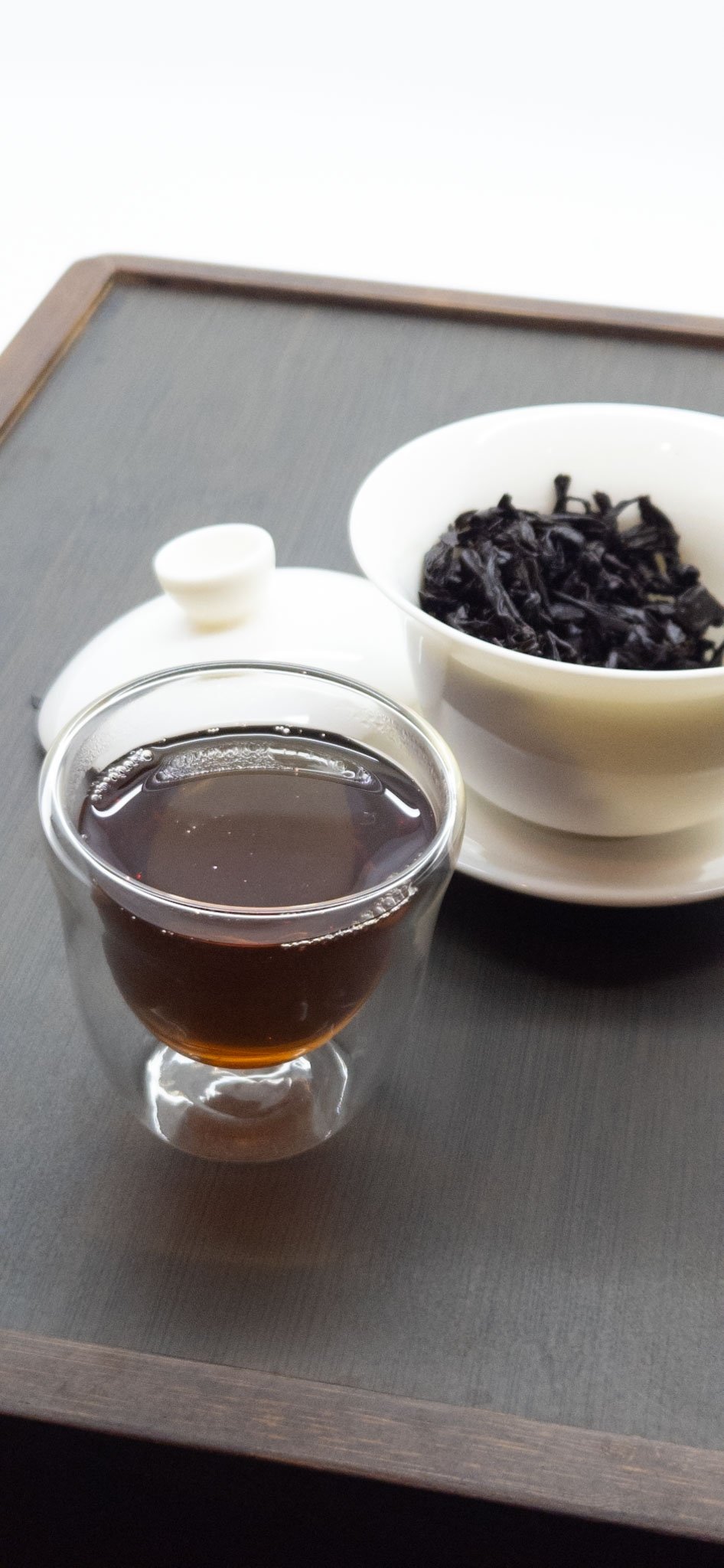
Expensive teaware can be satisfying, but it is not an entry requirement. Use what helps you brew with attention. If a plain white gaiwan shows you the colour of the leaves and liquor clearly, it is already doing meaningful work.
The same is true of the rest of the setup. A fairness pitcher helps even out the strength of the pour. A strainer catches smaller leaves. A scale and timer improve consistency. None of them should make the session feel inaccessible.
Structure creates room
The sequence is small and repeatable:
- Warm the vessel if you like.
- Add the leaves.
- Pour in water.
- Wait briefly.
- Decant completely.
- Taste.
- Repeat.
Because the steps are clear, the mind has fewer decisions to make. You can notice the sound of water, the smell released from the warm leaves, the change in colour, and the way the tea feels after you swallow.
This is the part of ritual that matters to us. It is not strictness for its own sake. It is a temporary frame for attention.
It can fit an ordinary day
Gongfu tea does not require a dedicated room or an afternoon without responsibilities. A tray can live on a worktable. A compact setup can sit beside a book, a record player, or a laptop. Three thoughtful infusions still count, even if the leaves could have given eight.
Modern life is not an interruption of the practice. It is the reason many of us need the practice.
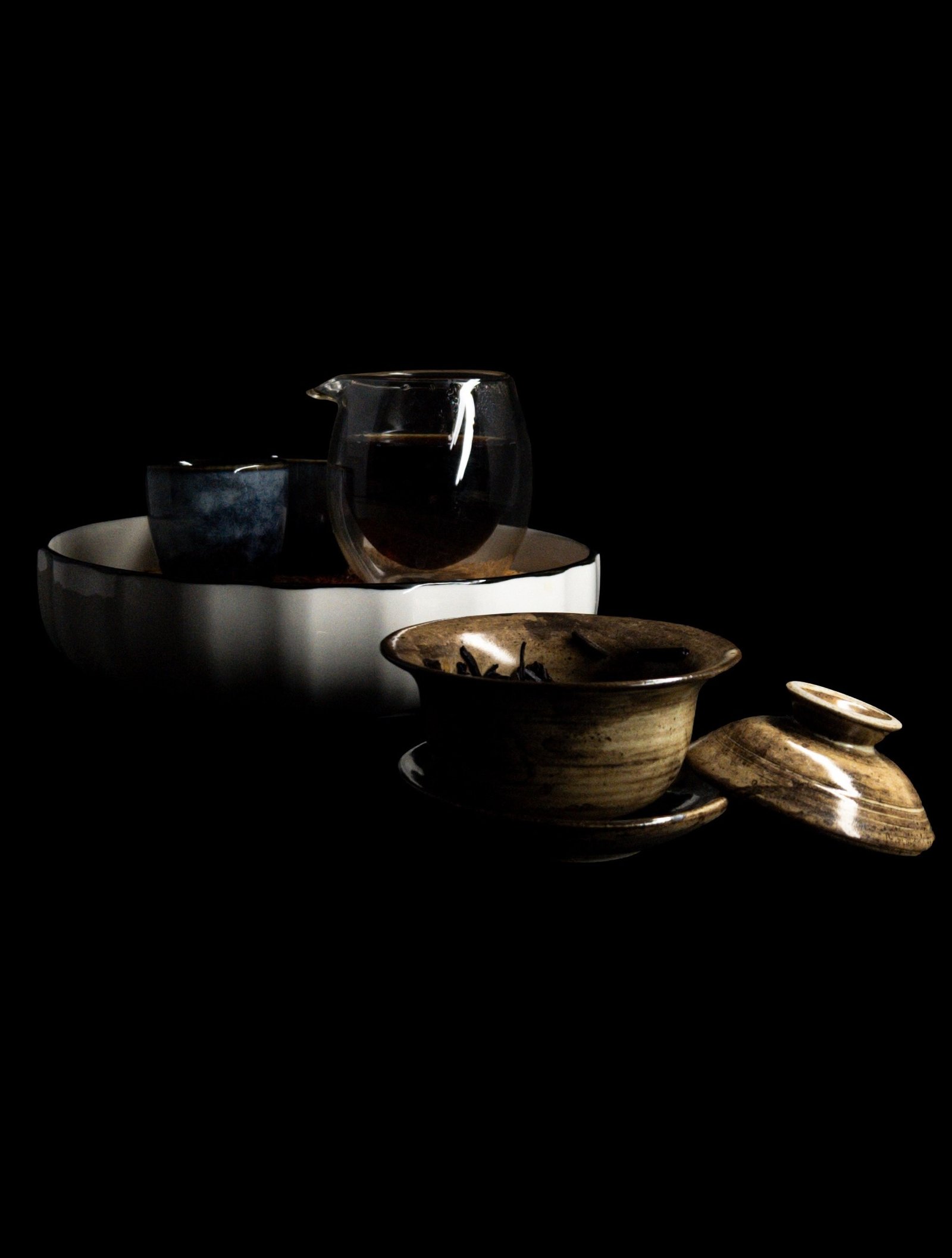
Some days the session is quiet and unhurried. On other days it is ten minutes between calls. The important thing is that the act remains deliberate enough to change the pace of the moment.
Be open to the tea
Modern gongfu cha also means letting go of some inherited prejudice. A tea does not become less interesting because it falls outside a prestigious category, comes from an unexpected place, or responds best to an unconventional recipe.
We test the tea itself. We change the temperature, ratio, and timing until it becomes clear and expressive. Tradition offers knowledge; tasting keeps that knowledge alive.
Keep the ritual, lose the pressure
There is no exam at the end of a tea session. You do not have to perform authenticity for anyone watching.
Use the structure to arrive. Then let the leaves decide where the session goes.