Tea advice often sounds more exact than tea really is. A guide gives you a number for the leaves, another for the water, a temperature, and a precise number of seconds. It can feel as though one wrong move will ruin the cup.
Those numbers are useful, but they are not commandments. They are coordinates: a place to begin.
At Leave Blank, we think a brewing guide should get you to a good cup quickly and then make it easier to find your own version of that cup. The goal is not to reproduce our tasting table in your kitchen. It is to help you notice what changes when you make a small adjustment.
Begin with a complete recipe
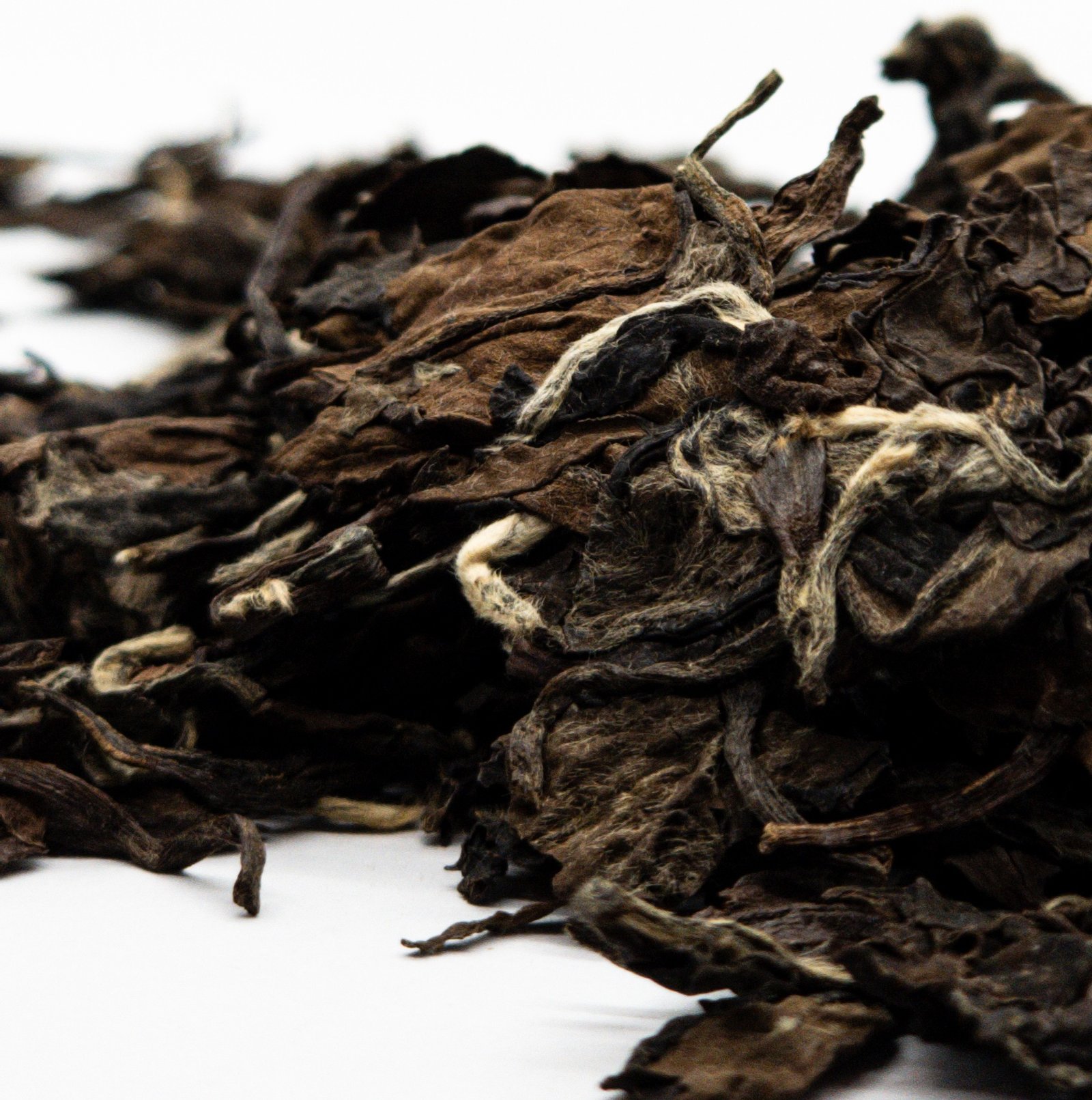
Start by following the recommendation on the tea label once. Use the suggested amount of leaf, water volume, temperature, and time. Decant the tea completely when the steep is finished.
This first cup gives you a reference. Without it, changing several things at once becomes guesswork. With it, the next decision is simple: what would you like more or less of?
For an everyday cup, a useful general starting point is:
- 5 g of tea
- 500 ml of water
- Around 3 minutes
For a small-vessel gongfu session, begin with:
- 5 g of tea
- 100 ml of water
- Around 10 seconds
Use the temperature printed on the tea label. Different teas—even two teas in the same broad category—can respond very differently to heat.
Taste before you diagnose
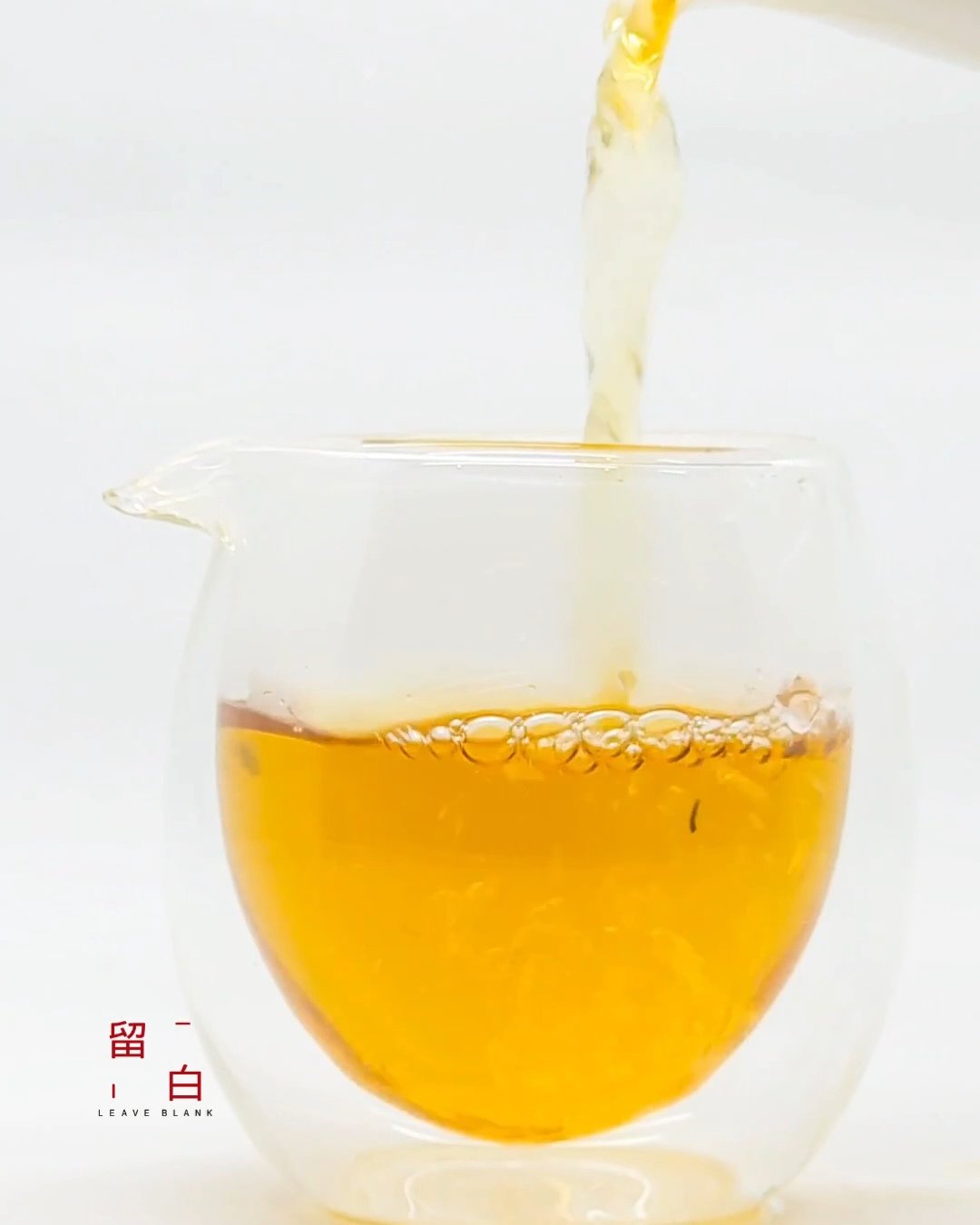
Take a few sips before changing anything. The first sip is often about temperature. The next few tell you more about aroma, texture, sweetness, bitterness, and the drying feeling that tea drinkers call astringency.
You do not need a formal vocabulary. “Too thin,” “a little rough,” “smells wonderful but tastes quiet,” and “I want more of this sweetness” are already useful observations.
Then change one thing.
If the tea feels too light
Try adding a little more leaf, using slightly less water, or extending the steep. Choose one adjustment so you can understand what it did.
More leaf can add intensity without requiring a much longer extraction. More time can deepen the cup, but it may also bring out bitterness or dryness. Less water increases concentration across the whole cup.
If the tea feels bitter or drying
Shorten the steep first. If the tea is still sharp, lower the water temperature or use a little more water.
Bitterness is not automatically a mistake; in the right balance it can give tea structure and a longer finish. The question is whether it supports the rest of the cup or covers it.
If you want more aroma
A slightly hotter pour with a shorter steep can make aromatic teas feel more vivid without extracting too much weight. In gongfu brewing, this is one reason short, concentrated infusions can be so expressive.
Preheating the vessel may also help, especially when you are using a small porcelain or clay pot. It is optional, but it keeps the brewing temperature more stable.
If you want something softer
Lower the temperature, shorten the brew, or add a little more water. Softness does not have to mean weakness. A gentler extraction can make sweetness and texture easier to notice.
Re-steep the leaves
Good leaves often have more to say. For everyday brewing, add time to the next steep. For gongfu brewing, increase each infusion by roughly five to ten seconds, then adjust according to the cup.
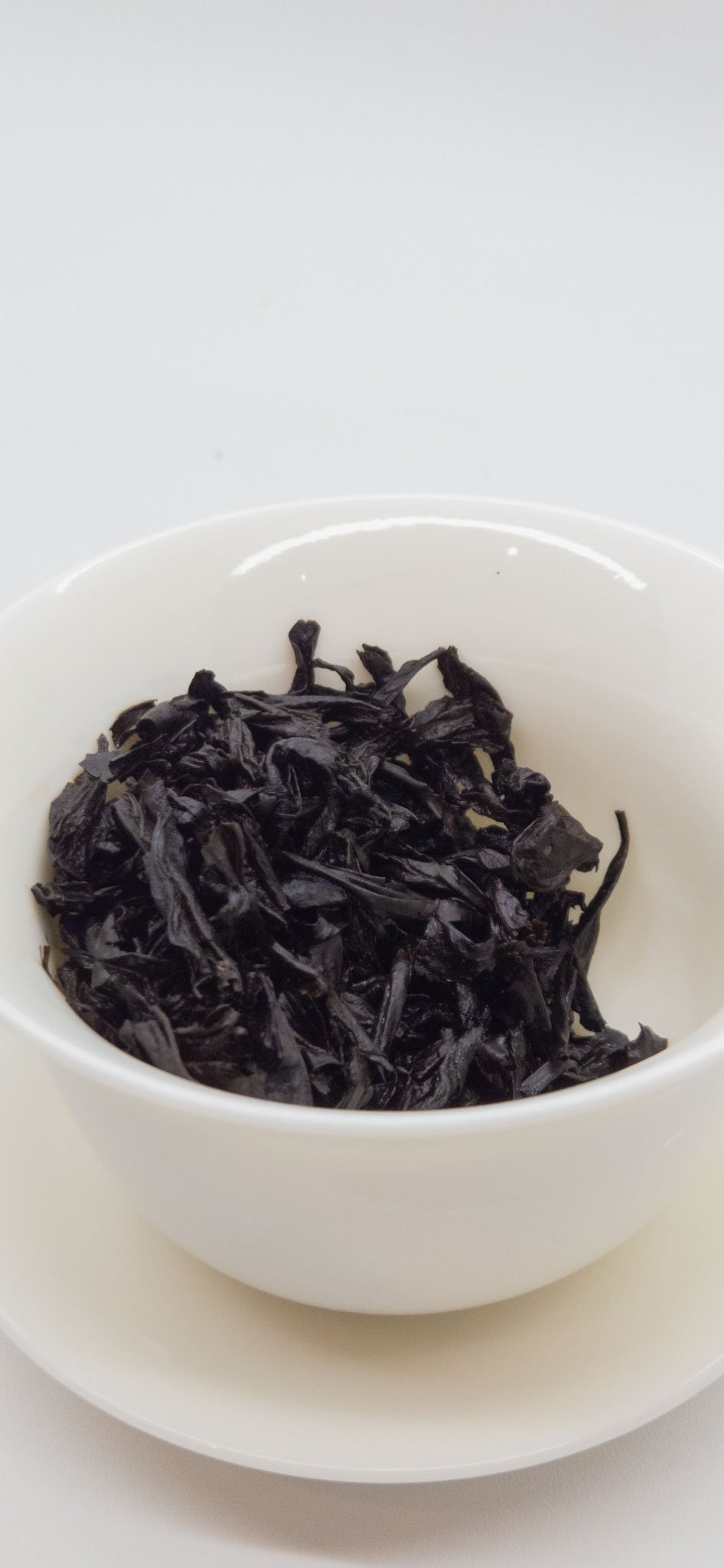
Look at the leaves as they open. Smell the lid or the empty cup. Notice when the aroma moves, when the texture becomes rounder, and when the session begins to fade. These changes are part of the tea, not inconsistencies to eliminate.
A guide should eventually become unnecessary
The best recipe is the one that helps you pay attention. Follow it once. Change one variable. Taste again.
That is enough structure to begin—and enough freedom to make the tea yours.